Most DIY repairs aren’t easy. Some require patience. Some require control. Some require a steady hand. And some test your nerves more than your actual skills. But one thing became obvious to me over time. The hardest part of most repairs has nothing to do with the repair itself. It comes from how prepared you are before you even start.
I didn’t see that at first. When something broke, I grabbed whatever tool was closest and assumed I could figure it out as I went. Sometimes it worked. Most of the time, it created new problems long before I even reached the real issue.
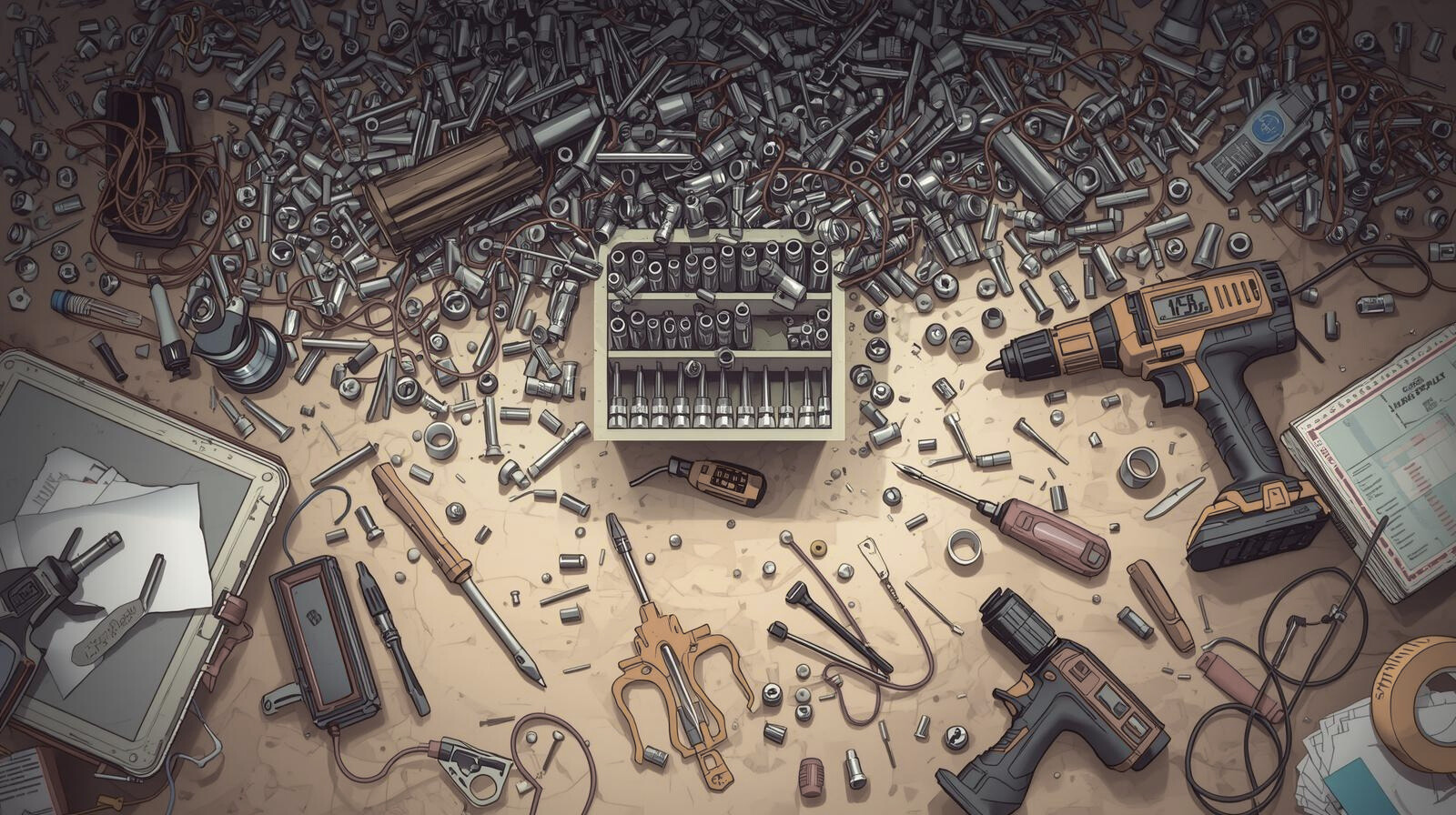
That is how screws get stripped. The wrong bit in a rush. That is how brittle clips crack when you pry at the wrong angle. That is how fasteners snap when frustration replaces patience. And every screw or bolt I’ve ever lost didn’t disappear because I lacked the right tray. I lost it because frustration made my hands sloppy and my focus disappear.
None of that changed the actual difficulty of the repair. The job was the job. What collapsed was my margin for error. And once that margin disappears, everything feels harder than it should.
The more attention I paid, the clearer it became. Preparedness does not make repairs simple. It removes the extra difficulty you create when you are unprepared. The built-in difficulty stays. The avoidable difficulty doesn’t.
Some jobs require finesse. Some require slowing down when you want to rush. Some require patience instead of pressure. Anyone who has ever forced out a stuck fastener or tried to open a panel without the right driver knows how quickly things can go wrong.
And I wish I could say I stopped doing this once I understood it. I didn’t. I still grab whatever tool is closest. I still toss parts into a bin and promise myself I’ll sort them later. I still get impatient and break things that didn’t need to be broken. These are not one-time lessons. They are reminders that show up every time you ignore them. Because sometimes we have to take our own advice.
What I do know is simple. Preparedness changes how a repair feels. It gives you breathing room. It keeps frustration from stacking up. It protects your patience so you have more attention to give to the part of the job that actually matters.
And that applies everywhere. Life. Work. Business. The right tools do not make anything easy. They make things manageable. They reduce friction. They create margin. And that margin is what makes a tough job doable instead of overwhelming.
If this sounds familiar, you can see the full set of DIY Preparedness tools I rely on inside the Workbench.
Next
Preparedness isn’t about fixing everything yourself. It’s about having the right basics on hand so small problems don’t turn into expensive surprises.